History
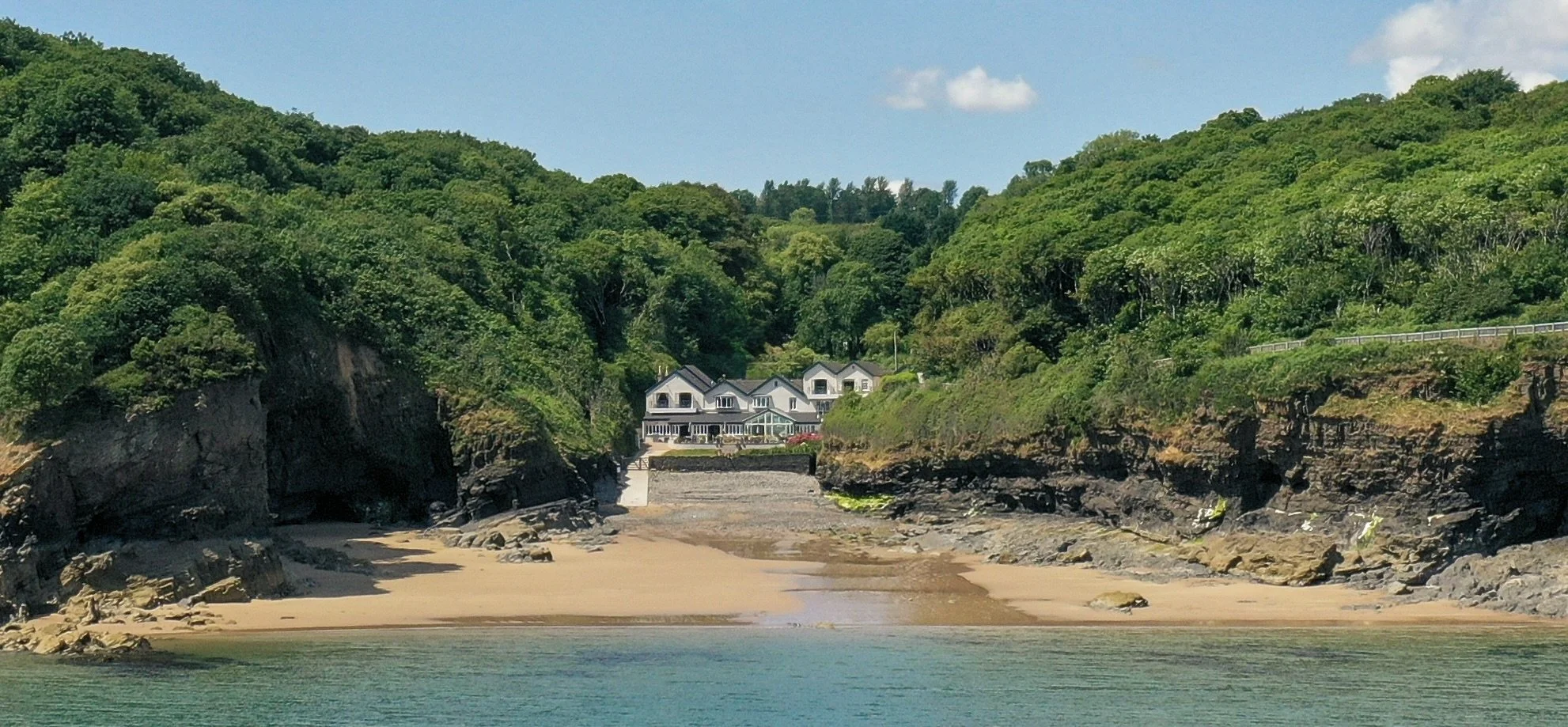
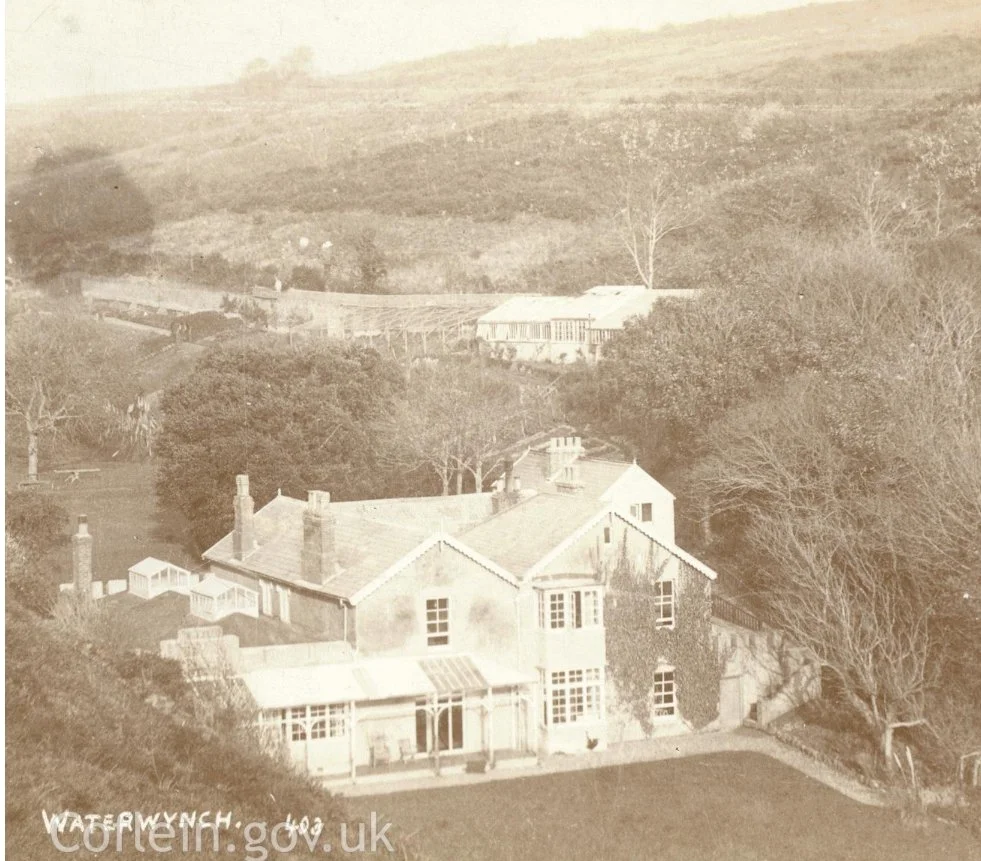
Set within its own secluded bay just outside Tenby, Waterwynch House is a place where history, landscape and creativity have been intertwined for over two centuries. Tucked at the end of a quiet country lane and enclosed by tree-topped cliffs on two sides with the sea on the other, it lies approximately two miles north of the town but close enough to feel connected, yet sufficiently apart to inhabit a world entirely its own.
The house was built by the artist Charles Norris, one of the most important early chroniclers of the Pembrokeshire coastline. Born in London in 1779, Norris moved to Wales in 1800, first settling in Milford before relocating to Tenby by around 1810. He came to specialise in topographical etching and writing, producing detailed records of the Welsh landscape and its medieval architecture. His notable works include Etchings of Tenby (1812) and A Historical Account of Tenby (1818), and his drawings remain an important record of the town prior to the advent of photography, capturing in particular its distinctive Flemish-influenced buildings.
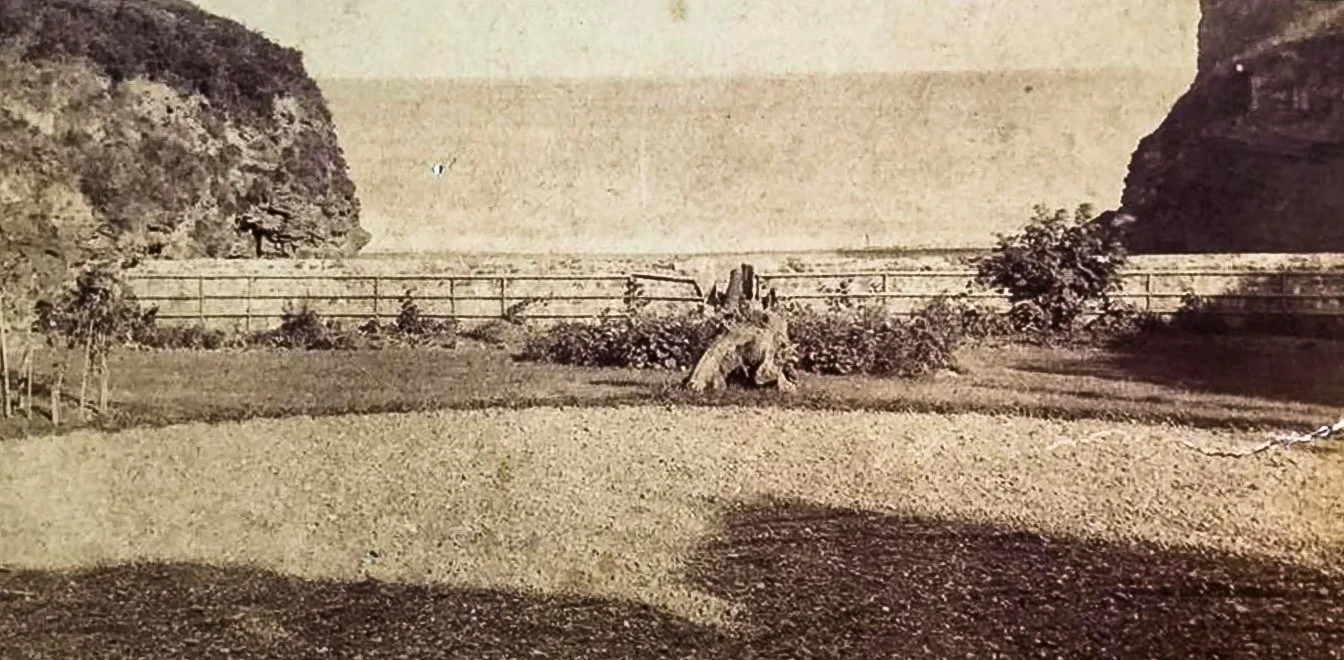
In the late 1810s, Norris was granted a lease on a plot of land at Waterwynch by the Burgesses of Tenby, on the condition that he build a house costing no less than £200 within two years. The site he chose was exceptional: a south-facing position nestled between the cliffs of Waterwynch Bay, looking out across the sands towards Carmarthen Bay.
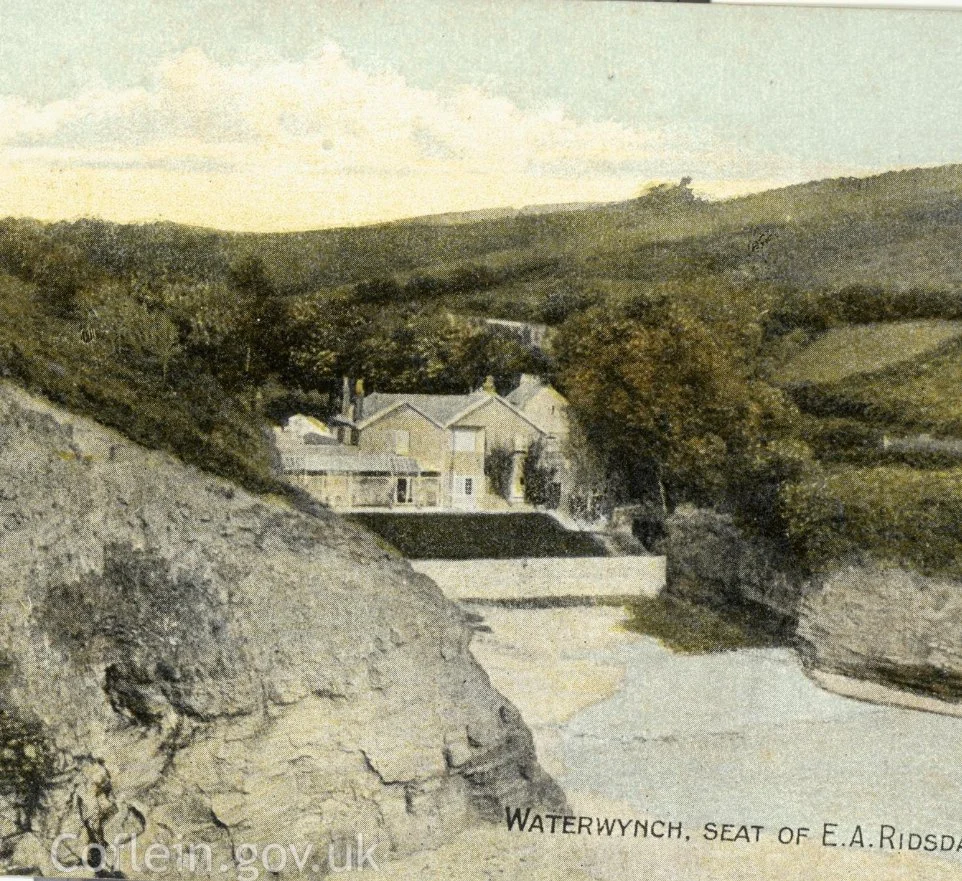
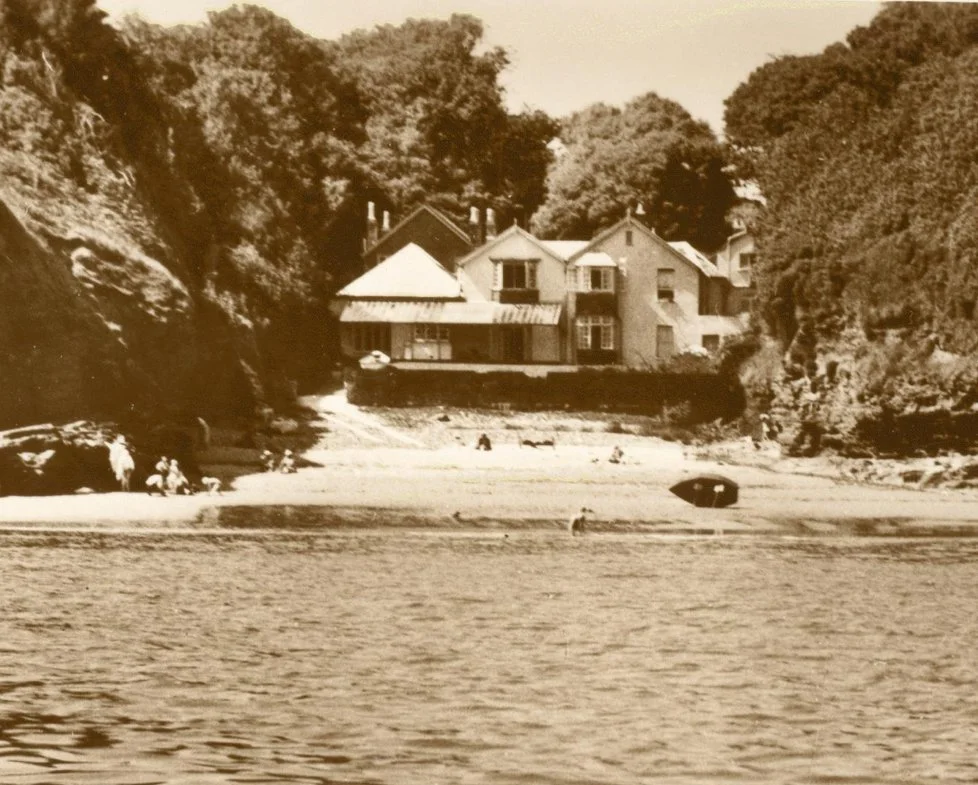
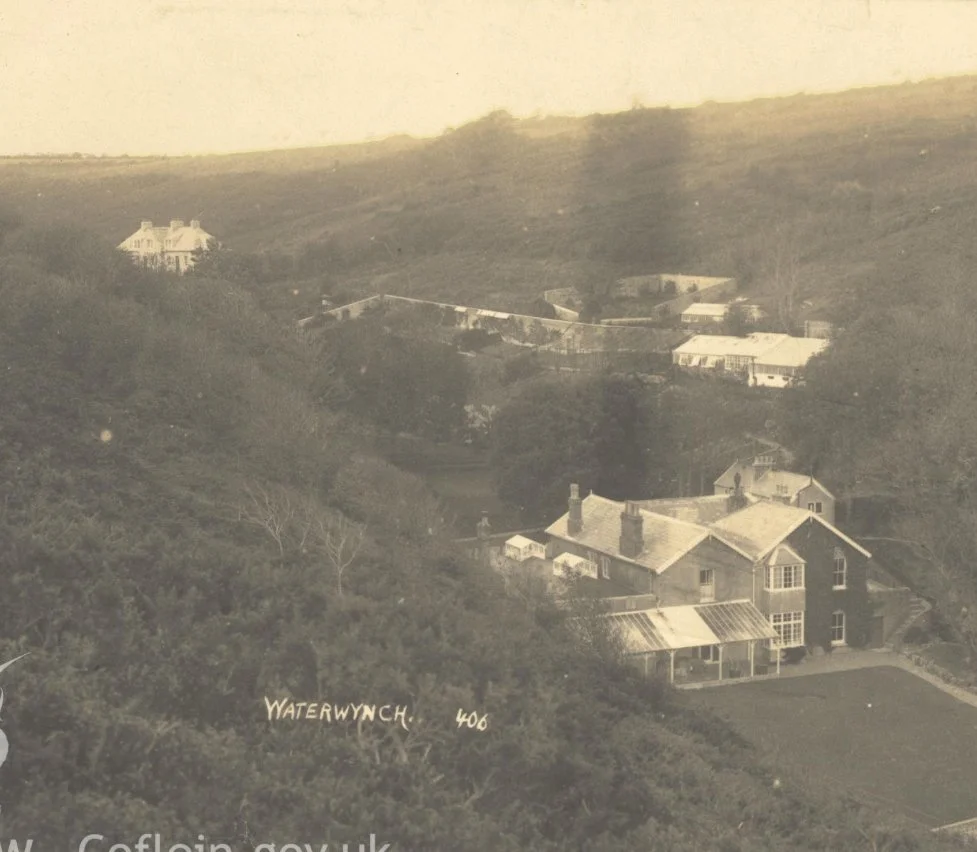
The house was completed in 1820 and Norris lived and worked here until his death in October 1858. It is thought that the house may have been built on the site of an earlier structure, sometimes described as an old mill, though the extent of this earlier use is uncertain. Over time, the house was extended and developed into the substantial residence that stands today.
Throughout the 19th century, as Tenby flourished as a fashionable seaside resort, Waterwynch occupied a distinguished position just beyond the town’s growing crowds, its seclusion making it all the more prized.
In 1902, the house was purchased by Sir Edward Aurelian Ridsdale, who made it the family home. Educated at the Royal School of Mines, where he developed a strong interest in geology, Ridsdale later served as Member of Parliament for Brighton and as Chairman of the Executive Committee of the British Red Cross, for which he was awarded the GBE in 1919. He died in 1923. As a trained geologist with a keen eye for the natural world, his choice of Waterwynch feels fitting: the bay’s dramatic coastal geology, with its layered cliffs and tidal formations, would have offered as much to a scientific mind as it had once offered to an artist’s eye.
His intellectual interests left a lasting legacy in Tenby. In 1928, his wife, Lady Susan Sterling Findlay Ridsdale, presented Tenby Museum and Art Gallery with his remarkable mineral and rock collection, comprising over 300 specimens gathered from geologically significant locations across the world, including Norway, Iceland, the Shetland and Faroe Islands, as well as sites across Britain. Many of these specimens retain what are believed to be their original labels, recording sample type and location in Ridsdale’s own hand.
The family’s connections to national public life extended further still. Ridsdale’s daughter Lucy married Stanley Baldwin, who served as Prime Minister on three occasions between 1923 and 1937, and he visited Waterwynch during this period.
The house was further enlarged in the late 1920s, including the addition of a substantial games room, reflecting its role as a place of generous hospitality. The snooker table was installed at this time which is still a much loved feature of the house.
In the decades that followed, Waterwynch passed through a number of hands. In the 1960s the house was converted into a hotel, a period that saw significant alterations including the division of the Great Hall into separate rooms and the removal of original mouldings.
In 1999 the property was purchased by Philip Evans, then chairman of the Welsh Tourist Board, who closed it as a hotel and undertook a substantial restoration, reinstating the Great Hall, demolishing later extensions and restoring 360 feet of original mouldings from a surviving fragment. He also used the house to entertain overseas tourism guests, continuing its long tradition as a place that has drawn visitors to this part of Wales.
The house was acquired by its current owners in December 2020 and has since undergone a further programme of extensive renovation, bringing it fully up to a modern standard while remaining true to its historic character. It now operates as an exclusive-use coastal house for groups, available for holidays, celebrations, weddings and retreats.
Waterwynch House remains, above all, a place shaped by the people and ideas it has sheltered: artists and politicians, scientists and travellers, families and guests seeking something genuinely apart from the ordinary. Set within approximately 30 acres of land, with terraced gardens running down to its own beach, it continues to reflect the spirit of its long history.
To read the full story of Waterwynch House, including the remarkable details of its connections to Welsh art, British political life and Welsh cultural identity, visit our journal.